
Short answer: In England, you usually do not need planning permission for a new or replacement driveway if it uses a permeable surface, or if rainwater runs off onto a lawn or border within your property. You normally do need permission if you cover more than five square metres of a front garden with an impermeable surface that drains onto the road or a drain. A dropped kerb is a separate matter handled by your council's highways team.
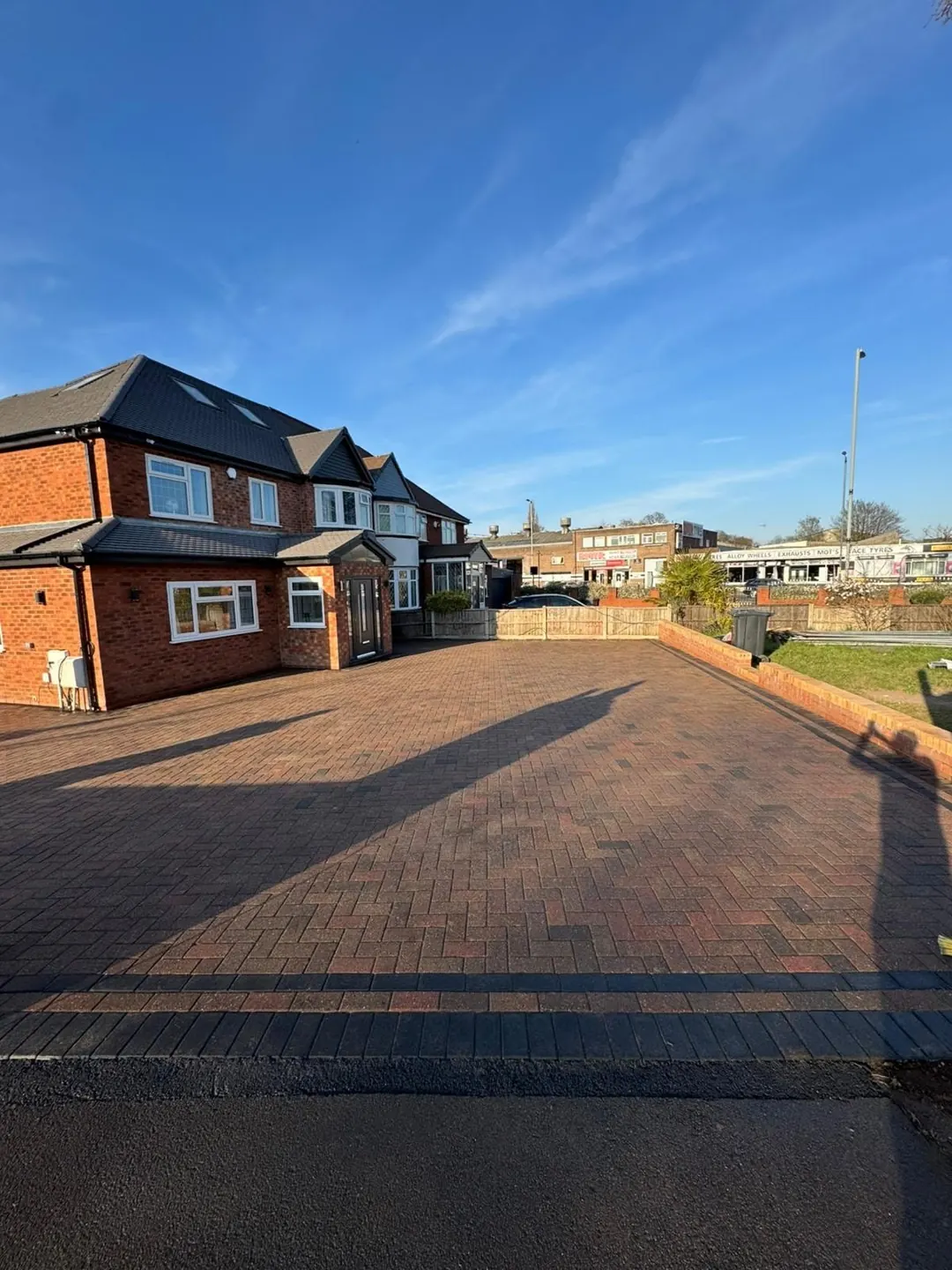
The five square metre front garden rule
Since 2008, national rules in England have treated front-garden paving differently depending on how it handles rainwater. The concern is surface water flooding: when many front gardens are paved with hard surfaces, rain that used to soak into the ground runs into roads and drains instead.
Under permitted development, you can pave a front garden of any size without applying for permission as long as the surface is permeable, or the water is directed to a permeable area such as a lawn or border on your own land. If the area is more than five square metres, uses a traditional impermeable material, and has no provision for water to drain within the property, it needs planning permission.
What counts as a permeable surface
Permeable options include gravel on a suitable base, permeable block paving (with wider joints and an open-graded sub-base designed to let water through), resin-bound surfacing laid on a porous base, and porous asphalt or concrete. The whole construction, not just the top layer, needs to let water drain.
Traditional block paving, standard tarmac and plain concrete are impermeable, but they can still be allowed without permission if the drive is laid to fall towards a lawn, flower bed or a soakaway on your property. A reputable installer should be able to explain how your driveway will manage water.
Back gardens and side areas
The five square metre rule is aimed at front gardens, the land between the house and the road. Patios and paths in back gardens do not usually need planning permission, although raised decking or platforms can. It is still sensible to lay back-garden paving so water drains away from the house and does not flow into neighbouring gardens.
Dropped kerbs and vehicle access
Driving over a pavement to reach a new drive normally requires a dropped kerb (also called a vehicle crossover). This is not covered by the driveway rules. You apply to the local highways authority, which checks things like visibility, distance from junctions and trees, and whether there is enough space for a car to park without overhanging the pavement. Work on the pavement itself must be carried out by an approved contractor. Some roads, especially classified roads, may also need planning permission for new access.
When different rules apply
Permitted development rights can be restricted. If your home is a listed building, in a conservation area, or subject to an Article 4 direction, you may need consent for work that would otherwise be allowed. Flats and maisonettes do not have the same permitted development rights as houses. New-build estates sometimes have conditions or covenants on front gardens.
If you are unsure, check your council's website or ask them directly before work starts. Rules also differ in Wales, Scotland and Northern Ireland, so this guide applies to England.
What happens if you get it wrong
If a driveway that needed permission is laid without it, the council can require a retrospective application and, if that is refused, changes to the surface or drainage. Problems can also come up when you sell the house, as buyers' solicitors may ask about recent works. Beyond the paperwork, a drive that sheds water onto the pavement or towards the house can cause puddling, ice in winter and damp. Designing the drainage properly avoids all of this.
Planning your driveway the right way
The simplest path is to design the drainage in from the start: choose a permeable surface, or lay an impermeable one with falls to a soft area or soakaway. This avoids an application and helps the drive last, because water is not left sitting on or under it. We can talk through surface and drainage options when we visit to quote for driveways across Worcestershire. For the practical options, see our guide on how to drain a driveway.
Frequently asked questions
Do I need planning permission to replace my existing driveway?
The same rules apply to replacements. If you are resurfacing more than five square metres of a front garden with an impermeable material that drains onto the road, you normally need permission.
Is gravel a permeable driveway surface?
Yes. Gravel on a suitable free-draining base lets water through, so it does not normally need planning permission.
Do I need permission for a dropped kerb?
You need approval from your local highways authority for a dropped kerb, and on some roads planning permission as well.
What if my house is in a conservation area?
Extra restrictions may apply. Check with your local council before starting work.
Related services
More guides
- How Much Does a New Driveway Cost? What Drives the Price
- How Much Does a Patio Cost? The Factors That Set the Price
- Block Paving vs Resin vs Tarmac: Which Driveway Is Best?
- How Long Does a New Driveway or Patio Take to Install?
- Dropped Kerbs: Cost Factors and How to Apply
- Porcelain vs Indian Sandstone Patio: Which Should You Choose?
- How Much Does a Plasterer Charge? What Affects the Price
- Landscaping Cost: What Sets the Price of a Garden Project
- Garden Wall Cost: What Affects the Price of a Brick Wall
- Repointing brickwork: a homeowner's guide
- Retaining walls for sloping gardens
- Driveway and patio drainage explained
- Planning garden steps and raised patios
- How long does new plaster take to dry?
- All guides
Related guides
- How Much Does a New Driveway Cost? What Drives the Price
- How Much Does a Patio Cost? The Factors That Set the Price
- Block Paving vs Resin vs Tarmac: Which Driveway Is Best?
- How Long Does a New Driveway or Patio Take to Install?