
Short answer: Plasterers usually price by the job or by the day, and the total depends on how much surface there is, whether walls need a simple skim or full replastering, the condition of what is already there, and how much preparation and making good is needed. A ceiling costs more effort than a wall of the same size, and an empty room is quicker to work in than a furnished one. A quote after seeing the room is the only accurate figure.
Skimming or replastering
The biggest single factor is how much work the wall needs. A skim is a thin finishing coat over sound plaster or new plasterboard. It gives a smooth surface ready for decorating and is the lighter end of plastering work.
Replastering means removing old, failing plaster back to the brick or block and building it up again with an undercoat before the finish coat goes on. It involves hacking off, clearing waste, letting coats set and more materials. Older houses with blown or crumbling plaster often need some replastering, and you will not always know how much until work begins.
Sometimes boarding is the better option. Fixing new plasterboard over a poor ceiling or wall and skimming it can be quicker and cleaner than taking everything back.
Size and shape of the room
More area means more time and material, but layout matters too. A plain wall is quick; a room with lots of windows, doorways, alcoves and corners has more edges and angles to form, each of which takes care. Chimney breasts, sloping ceilings in loft rooms and staircases all add time.
Ceilings are slower and more tiring than walls, so they usually cost more for the same area. High ceilings may also need scaffold towers or platforms.
Preparation and making good
Good plastering depends on preparation. Loose material must be removed, surfaces cleaned, suction controlled with a bonding agent or PVA, cracks dealt with and corners fitted with beads. Electrical sockets and switches may need loosening so the plaster finishes behind the faceplates.
If other trades have chased walls for cables or pipes, those channels need filling before the finish goes on. Patch repairs after an electrician or plumber are a common request and are usually priced separately from a full room.
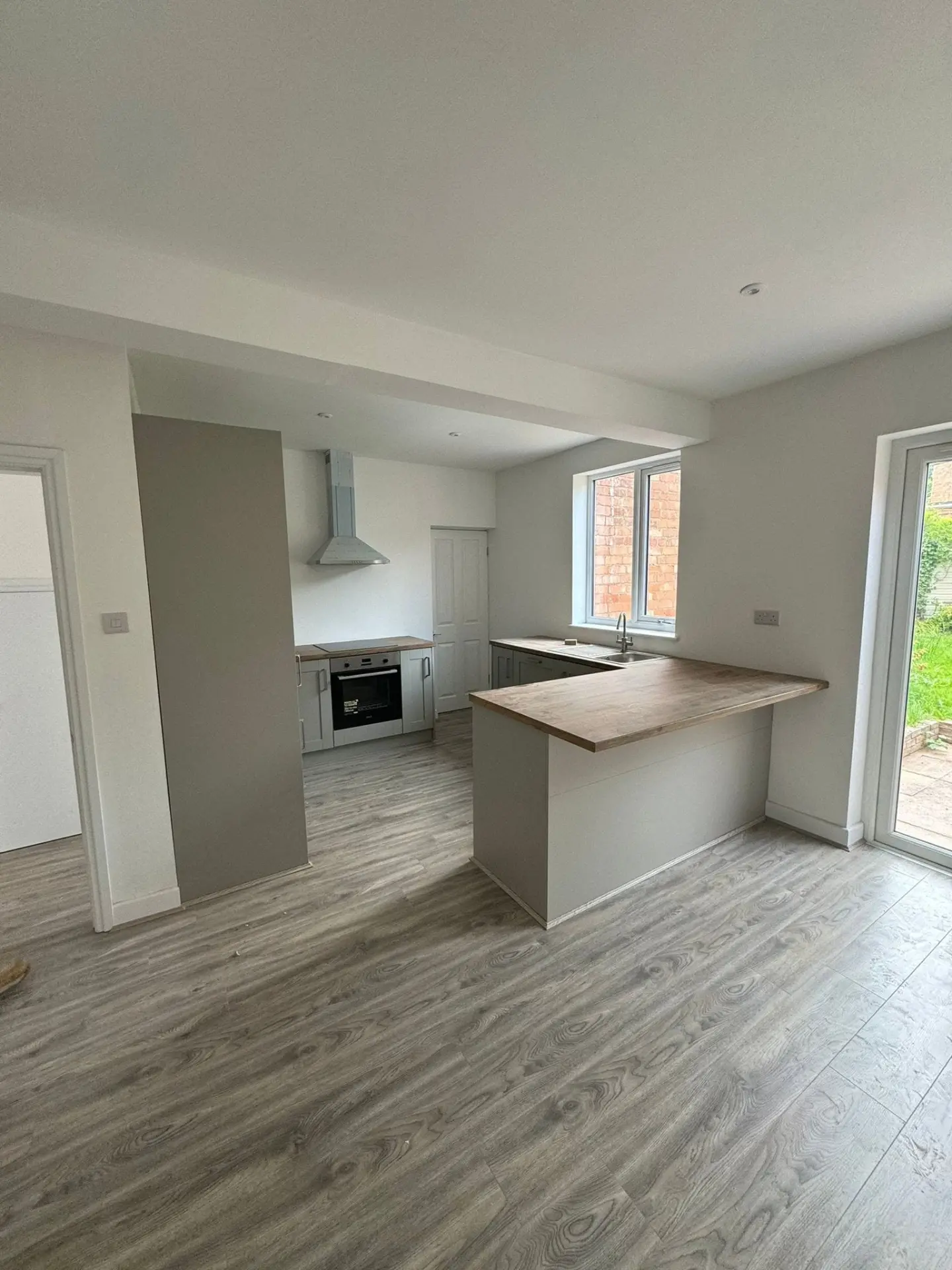
Protecting floors and furniture also takes time. An empty room with bare floors is quicker to work in than a lived-in room that needs everything covered and moved.
Condition of the walls
Damp, crumbling or hollow-sounding plaster is a warning sign. Plastering over an active damp problem will not fix it, and the new finish may fail. Any cause of damp needs to be found and dealt with first, which is a separate job.
Very uneven walls take more material to straighten. Artex or textured ceilings may need covering or boarding before a smooth skim can go on.
Access, waste and drying time
Upstairs rooms, narrow stairwells and homes without easy parking take longer to work in, as everything has to be carried in and out. Removing old plaster creates heavy waste that has to be taken away.
Fresh plaster needs time to dry before decorating. That is not a cost in itself, but it affects how the whole project is scheduled. Ask how long to leave it, and use a mist coat on new plaster when you first paint. Our guide to plaster drying times explains what affects drying and how to tell a wall is ready.
Getting a useful quote
When you ask for a quote, say which rooms or walls are involved, whether ceilings are included, roughly how big the rooms are and whether the plaster is sound or damaged. Mention any recent electrical or plumbing work and whether the room will be empty. Photos help, but a visit is the best way to judge the condition of the walls.
Compare quotes on what they include, not just the total. Check whether preparation, beads, waste removal and making good around sockets are covered. If plastering is the last step of a bigger project, it is often simpler to include it in the same quote as the building work. We carry out plastering on its own and as part of wider home improvements.
Frequently asked questions
Do plasterers charge by the day or by the job?
Both are common. For a defined room, many plasterers quote a fixed price for the job after seeing it.
Is skimming cheaper than replastering?
Generally yes, because a skim is a thin finish over a sound surface, while replastering involves removing old plaster and building up new coats.
Why do ceilings cost more to plaster?
Working overhead is slower and harder, and high ceilings may need platforms or towers.
Can you plaster over damp walls?
Not successfully. The cause of the damp should be dealt with first, otherwise the new plaster can fail.
How long before I can paint new plaster?
It needs to dry fully first. Ask your plasterer, and use a diluted mist coat for the first coat of paint.
Related services
More guides
- How Much Does a New Driveway Cost? What Drives the Price
- How Much Does a Patio Cost? The Factors That Set the Price
- Block Paving vs Resin vs Tarmac: Which Driveway Is Best?
- Do You Need Planning Permission for a Driveway?
- How Long Does a New Driveway or Patio Take to Install?
- Dropped Kerbs: Cost Factors and How to Apply
- Porcelain vs Indian Sandstone Patio: Which Should You Choose?
- Landscaping Cost: What Sets the Price of a Garden Project
- Garden Wall Cost: What Affects the Price of a Brick Wall
- Repointing brickwork: a homeowner's guide
- Retaining walls for sloping gardens
- Driveway and patio drainage explained
- Planning garden steps and raised patios
- How long does new plaster take to dry?
- All guides
Related guides
- Repointing brickwork: a homeowner's guide
- How long does new plaster take to dry?
- How Much Does a New Driveway Cost? What Drives the Price
- How Much Does a Patio Cost? The Factors That Set the Price